Your psychologist
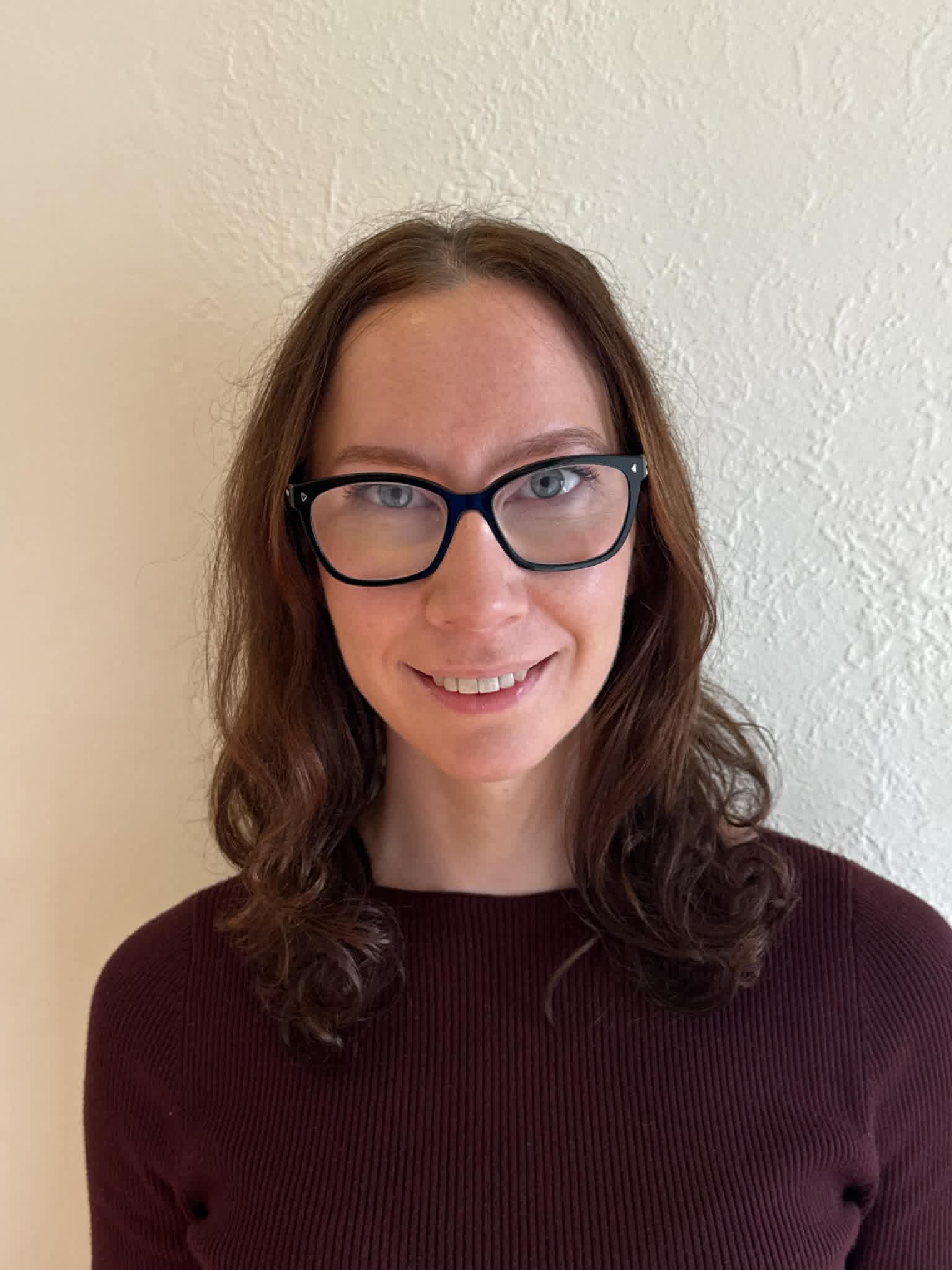
Nikki Addlem
AHPRA Registered Psychologist · Bentleigh, Bayside Melbourne
Working with children from age three, adolescents and adults — in person, via telehealth, and under NDIS outreach.
How I came to this work
I've long been interested in the points in people's lives where things feel out of step — when behaviour or feelings might have underlying causes that haven't yet been explored. Training as a psychologist gave me a framework for this curiosity and the evidence-based methods that guide my work now.
My approach centres on understanding your lived experience and working at a pace that feels manageable and respectful.
Qualifications & registration
Credentials and training
AHPRA registration
Registered Psychologist with the Psychology Board of Australia under AHPRA (the Australian Health Practitioner Regulation Agency).
Registration: PSY0002343038
Formal training
Bachelor of Psychology, Swinburne University of Technology — followed by supervised practice and ongoing professional development across the modalities listed below.
Therapeutic approaches
Trained in Cognitive Behavioural Therapy (CBT), Acceptance and Commitment Therapy (ACT), mindfulness-based approaches, and Solution-Focused Therapy. Has completed foundational training in Eye Movement Desensitisation and Reprocessing (EMDR) and is currently undertaking advanced accreditation.
Assessment training
Trained in the use of the ADOS-2 (Autism Diagnostic Observation Schedule, Second Edition) and the MIGDAS-2 (Monteiro Interview Guidelines for Diagnosing the Autism Spectrum, Second Edition), alongside structured clinical interviews and validated rating scales for ADHD, anxiety and related presentations.
Who I work with
My practice holds space for a deliberately wide range of clients, because the areas of interest in my practice often impact whole families and change across life stages.
Children from age three
I provide early support for behavioural, emotional and developmental concerns, including early signs that may be consistent with autism, ADHD or anxiety. Sessions usually combine time with the child and close collaboration with parents and, when appropriate, educators or early learning settings.
Adolescents
Adolescence can bring existing challenges into clearer focus. I work with young people experiencing school avoidance or refusal, social anxiety, emerging identity questions, late-identified neurodivergence, and the impacts of bullying or relational stress.
Adults
Adult clients often present after having explored their concerns for some time and are seeking further clarity or support. My work includes assessments for ADHD and autism in adulthood, including for women and others whose presentations may not have been recognised earlier. I also support adults experiencing generalised anxiety, panic, OCD, trauma-related concerns, and the complex emotions that can accompany receiving a diagnosis later in life.
Funding experience
Medicare, NDIS, TAC and WorkCover
Medicare
Registered Medicare provider. Sessions are rebatable at $98.95 under a Mental Health Care Plan from your GP, for up to 10 sessions per calendar year.
NDIS
Experienced in supporting self-managed and plan-managed participants, including outreach in home and community settings where that better matches your needs.
TAC
Psychological support for clients with approved TAC claims following a transport accident, including trauma-related presentations.
WorkCover
Support for workers with accepted WorkCover claims, including workplace trauma, stress-related injuries and return-to-work planning.
How I work
I begin from the understanding that people are already doing the best they can with the nervous system, history and circumstances they have. Starting there makes the work something we approach together.
For some, our sessions use structured approaches such as CBT or ACT — looking at patterns of thought and behaviour in a clear, skills-based way. For others, the work moves more slowly and includes somatic awareness, especially when trauma has shaped their experiences. For many, the approach shifts week to week depending on what feels most useful.
I work from neurodivergence-affirming values. I see autism and ADHD as variations in how a person is wired, not deficits to correct. At the same time, I'm mindful of the very real challenges that can come with living in environments that aren't designed with those differences in mind. The space we work in reflects this — lower sensory load, clear expectations, and room to communicate in the ways that feel most natural.
Above all, there is no rush. The pace of the work comes from you, and my role is to help you notice what is changing and what may still need attention.
If this sounds like the kind of support you’re seeking.
Book an initial session, or start with a free 15-minute call to ask any questions you need to ask first.